DAY 1 – HONG KONG, CHINA
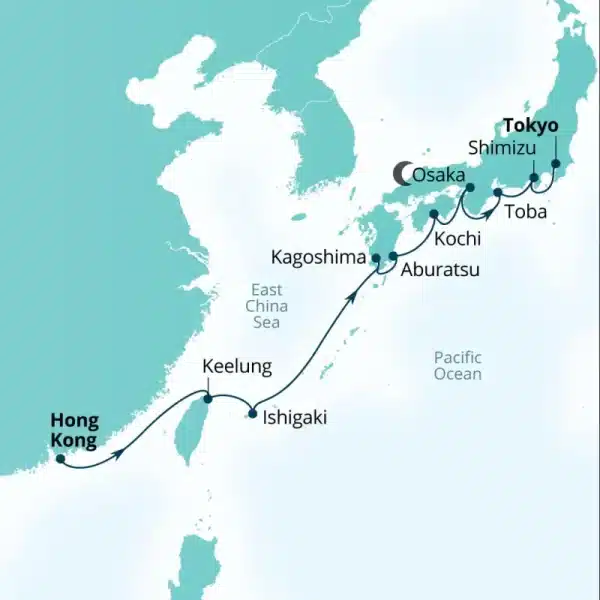
Hong Kong is divided into four sections: Hong Kong Island, Kowloon, the New Territories, and the numerous outlying islands. One hundred sixty-four square miles of dense real estate dominate Hong Kong Island, including enormous skyscrapers with futuristic architecture, opulent hotels, residential compounds on Victoria Peak, and some of the oldest Chinese communities in the region. All these elements create one of the most exotic and exciting ports of call in the world; one that is universally loved by tourists and its own enterprising citizens.
DAY 2 – DAY AT SEA
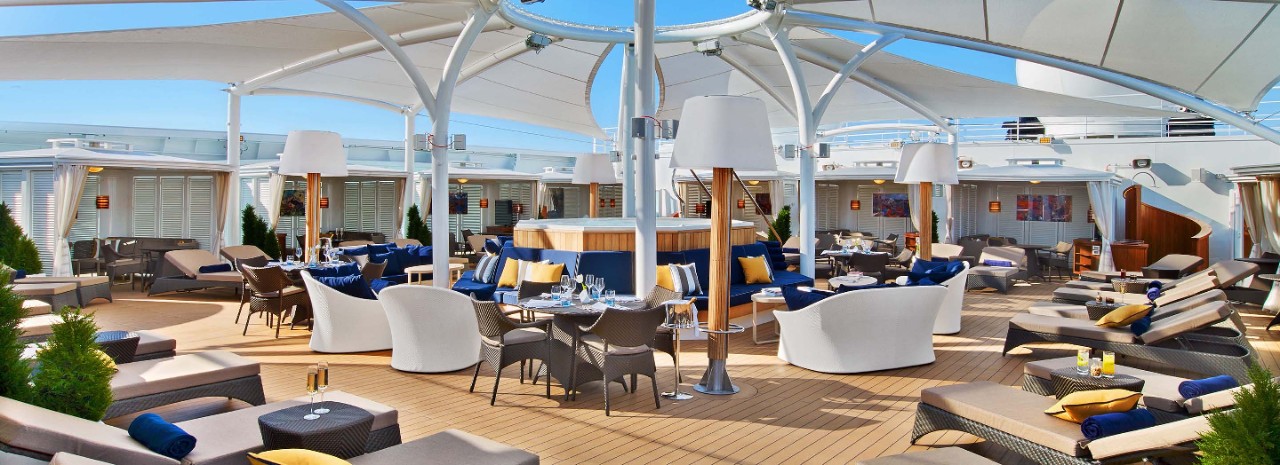
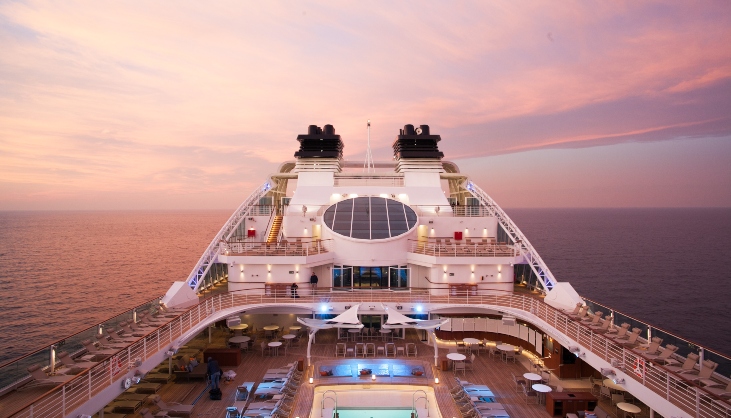
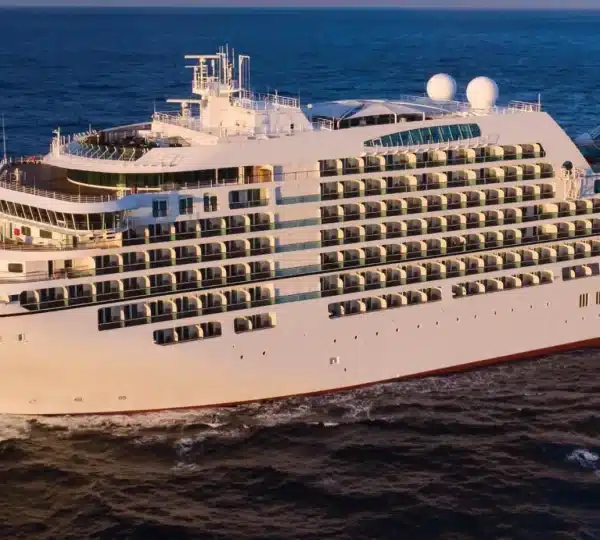
Unwind with a spa treatment or enjoy leisure activities onboard, from cafes to the card room.
DAY 3 – KEELUNG (TAIPEI), TAIWAN
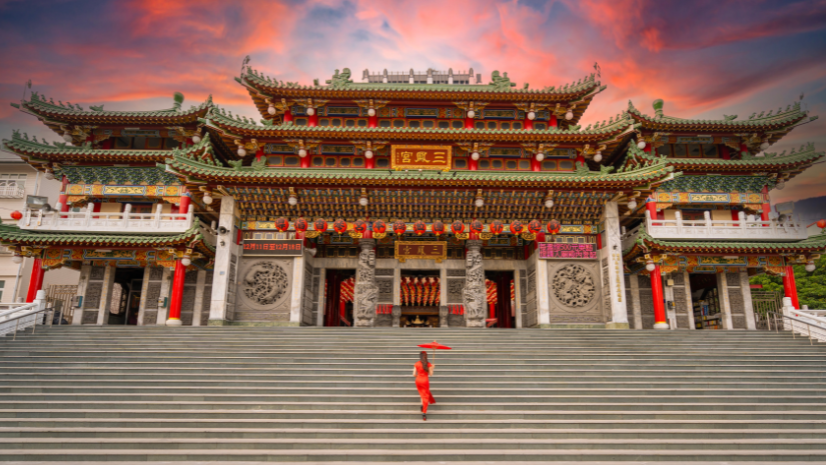
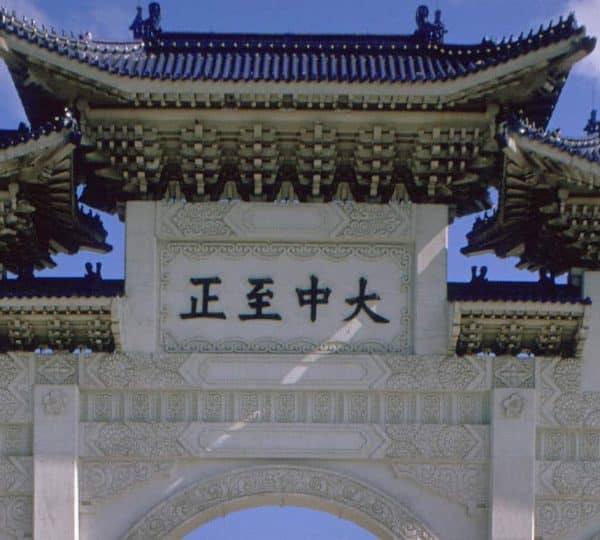
Keelung is the second largest port in Taiwan, and a booming trade industry has turned it into a very prosperous city and international seaport. However, the main reason for calling here is to travel inland to visit the contemporary metropolis of Taipei. Not long ago, the scenic valley of the Tanshui River was home to rice and vegetable farmers, but today it is the site of Taiwan’s bustling center of culture, commerce and government.
DAY 4 – ISHIGAKI ISLAND, JAPAN
Closer to Taiwan than to Japan’s main islands, the Yaeyama group is a volcanic archipelago known (though not widely) for its coral reefs and clear waters. Ishigaki is the main hub, and attracts mostly Japanese visitors with inside information about the Caribbean-like appeal of the place. A part of the Okinawa Prefecture, the island is ringed by beaches that vary from sandy expanses to whole strands made up entirely of broken, bleached and tumbled coral. The land itself is mostly given over to palm forests and pineapple plantations. Capes such as Hirakubozaki on the west side, or Uganzaki at the northern tip, are marked by lighthouses and offer nice views. At Kabira Bay no swimming is allowed, due to culture of black pearls, but glass-bottom boats offer views of the colorful sea life. Other beaches welcome snorkelers, swimmers and windsurfers.
DAY 5 – DAY AT SEA
Unwind with a spa treatment or enjoy leisure activities onboard, from cafes to the card room.
DAY 6 – KAGOSHIMA, JAPAN
Tucked into a deep-cut bay at the southern end of Kyushu Island, this port has been compared to Naples in Italy, because it is also dominated by views of an active stratovolcano, Sakurajima. Enjoy its magnificence from the Shiroyama Observatory, or from the tranquil Edo-period Senganen Japanese Garden. Ishibashi Park has three Edo-era stone bridges, of five originally built at the end of the 19th century. Near the port is the impressive Kagoshima Aquarium, with seven floors of displays including the massive Kuroshio Tank maintaining a current that sustains large specimens including a whale shark.
DAY 7 – ABURATSU, JAPAN
Aburatsu is a charming port town in Miyazaki Prefecture, Japan, known for its scenic beauty, rich cultural heritage, and welcoming atmosphere. Indulge in local culinary delights, from fresh seafood to exquisite sake, crafted with centuries-old techniques. Explore the historic Nichinan Coast, dotted with ancient shrines and lush greenery, providing a glimpse into Japan’s storied past. Don’t miss the Udo Shrine, a stunning cliffside sanctuary dedicated to the Shinto deity Ugayafukiaezu, and the Obijyo Castle Ruins, which offer a fascinating look into Japan’s feudal history.
DAY 8 – KOCHI, JAPAN
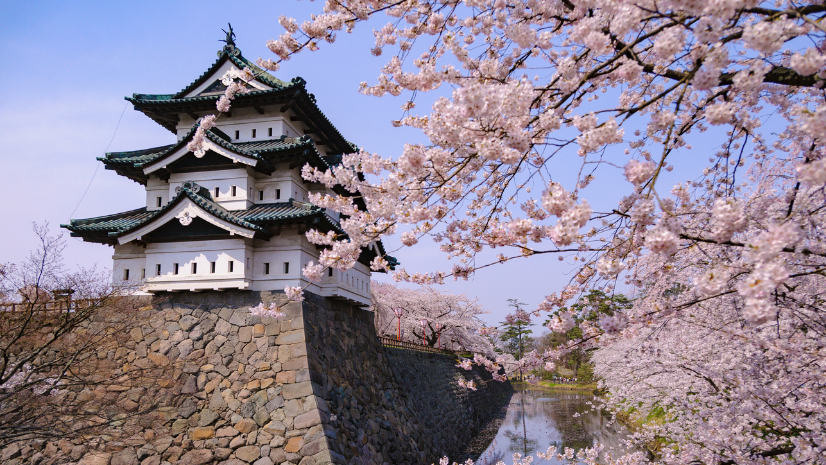
Japan’s Shikoku island is a popular place of pilgrimage among Japanese Buddhists. Kochi has three of the 88 temples on the route. Chikurinji Temple, with its five-story pagoda, is one of them. Located on Mount Godaisan, it also features an adjacent botanical garden. The town is most famous for its castle, originally built in the early 17th century, but largely rebuilt following a fire in the mid-18th century. It is one of only 12 existing feudal-period castles in Japan. South of the town, Katsurahama beach is a popular destination, although swimming is not allowed due to strong currents. A picturesque shrine located on a high point overlooking the sea is the perfect postcard image of rural Japan. The beach is also a good spot to enjoy Katsuo no Tataki, the traditional local dish of lightly grilled and seasoned bonito tuna.
DAY 9 & 10 – OSAKA, JAPAN
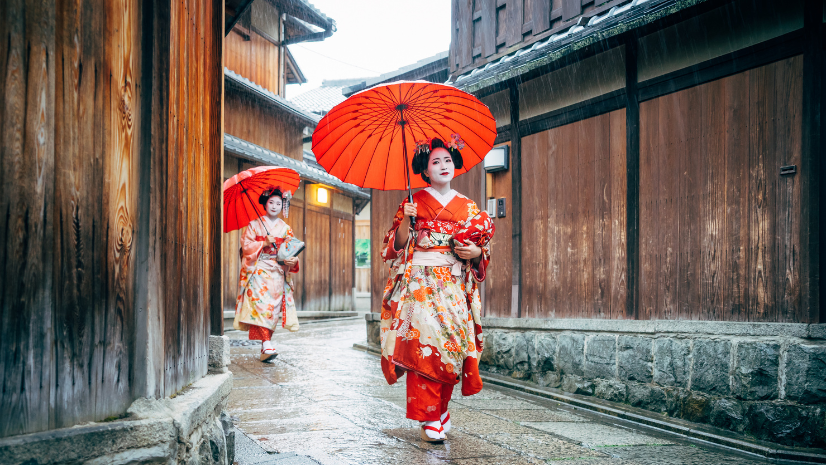
Japan’s second-largest city is famous for its imposing, photogenic Osaka Castle, set in a park with decorative fruit trees that provide extravagant blooms in the spring. It has always been a merchant city, and the business sections are busy and crowded. For visitors, the city holds numerous shrines and temples, including the Shitenno-ji, Japan’s oldest Buddhist temple from 526 AD, and the Sumiyoshi Taisha, one of the oldest Shinto shrines in the country, from 211 AD. The Peace Pagoda, built in 1963, continues a common Japanese theme. For museum lovers, the city has a National Museum of Modern Art, focused on postwar art, and a five-story Science Museum, as well as a unique Oriental Ceramics Museum with over 2,000 items from Japan, Koreas and China.
DAY 11 – TOBA, JAPAN
Tender required.
DAY 12 – SHIMIZU, JAPAN
A busy port located on the Suruga Bay, Shimizu is renowned for the surrounding views of Mt. Fuji. One of the most famous is from Miho no Matsubara, a shoreline lined with groves of lovely pine trees that is a UNESCO Cultural Heritage Site. One tree, said to be over 650 years old, plays a part in a popular folkloric myth. On clear days, the snow-capped cone can also be viewed from the heights of the Nihondaira Plateau overlooking the city and the bay. Near the port, the four-story S Pulse Dream Plaza shopping mall boasts a museum dedicated to sushi!
DAY 13 – TOKYO, JAPAN
Welcome to Japan’s cutting-edge capital, the world’s largest city famed for its blazing neon, techno-gadgets, and serious fashion sense. Get a glimpse into Tokyo’s glorious past while strolling the Imperial Palace gardens, or take a rickshaw ride through the Asakusa district with its ancient Sensoji Temple and colorful atmosphere that echoes Old Edo.
Wander the Tsukiji Market — aka, “Tokyo’s Kitchen” — the world’s largest fish and seafood market, and raise a glass of rice lager at the Philippe Starck-designed Asahi Beer Hall located near the 2,080-foot-high Skytree, the world’s tallest tower. You can shop for fashion-forward trends in Shibuya before heading to the rooftop garden that crowns Shibuya Scramble Square for outstanding views of Mount Fuji. If you think Tokyo buzzes by day, wait until you see it at night — so take advantage of a late-evening departure to soak in all of Shinjuku’s razzle dazzle, explore Akihabara’s gadget shops and gaming arcades, or join in Japan’s favorite pastime at one of Roppongi’s karaoke bars.